
After a heavy September downpour in Pasadena, you’re probably relieved to see the sun again. You go to flush a toilet or run the kitchen sink, and suddenly you hear it - a deep, gurgling sound from a nearby drain. Or maybe you notice a faint but unmistakable sewer smell in the bathroom that wasn't there before the storm. These aren't just strange quirks of an old house; they are often clear signals that your home's plumbing system is struggling to breathe. As a project manager who has overseen countless home repairs, I've seen how periods of heavy rain, especially remnants from hurricanes, can quickly expose underlying issues. One of the most common culprits is a clogged drain vent.
Your plumbing's drain-waste-vent (DWV) system is an interconnected network. While the drain and waste pipes carry water and waste away, the vent pipes are equally crucial. They allow air to enter the system, equalizing the pressure and allowing water to flow freely. When that vent gets blocked, it creates a vacuum, leading to a host of noticeable problems.
Common Signs and Symptoms
Recognizing the early signs of a clogged vent can save you from more significant backups and costly repairs down the road. Our crews are trained to spot these tell-tale indicators, which often appear in clusters. Here are the most common drain vent clogged symptoms Pasadena homeowners should watch for, especially after a storm.
- Gurgling Drains: This is the classic symptom. When a vent is blocked, the draining water can't draw air from the roof vent. Instead, it pulls air from the next available source - usually the water sitting in a nearby P-trap. That gurgling sound is air being forcefully sucked through the water in your sink, tub, or floor drain. If you're wondering why drains gurgle after rain Pasadena, this negative pressure is almost always the answer.
- Slow Draining Fixtures: A single slow drain might just be a localized clog in that specific pipe. However, if you notice multiple fixtures - like a toilet, a sink, and a shower in the same bathroom - are all draining sluggishly, it points to a system-wide problem. The lack of proper airflow prevents water from moving down the pipes efficiently.
- Sewer Odors Inside the Home: A persistent sewer smell in bathroom when it rains is a major red flag. Each drain in your home has a P-trap, a U-shaped pipe designed to hold a small amount of water. This water acts as a barrier, blocking sewer gases from entering your living space. The vacuum created by a clogged vent can siphon this water right out of the trap, breaking the seal and allowing unpleasant and unhealthy gases to escape into your home.
- Bubbling Toilets: When you run the bathroom sink or shower, do you see bubbles rising in the toilet bowl? This is a sign of positive pressure. Air that should be escaping through the roof vent is trapped and seeks the easiest way out, which is often up through the largest drain line in the room - the toilet.
- Fluctuating Toilet Water Levels: A clogged vent can cause the water level in your toilet bowl to drop suddenly after a flush or even when a nearby fixture is used. This siphoning effect is another indication that the system is desperately trying to pull in air from wherever it can.
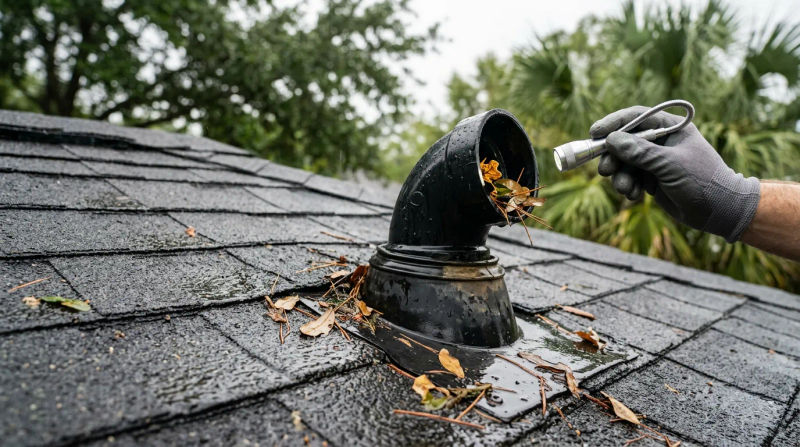
- Visible Debris on the Roof: Sometimes the problem is exactly where you'd expect it. The vent stack, the pipe that extends through your roof, can become blocked by leaves, pine needles, animal nests, or even a misplaced toy. A quick visual inspection (from a safe vantage point) might reveal the source of the blockage.
- Problems Intensify After Rain: Pasadena’s relatively flat terrain means that heavy rainfall can saturate the ground quickly, putting extra pressure on municipal and residential sewer lines. This external pressure can slow down drainage and magnify the effects of an already partially drain vent clogged system, making symptoms suddenly appear or worsen.
What Causes This Problem
Understanding why a vent becomes clogged helps in both resolving the issue and preventing it in the future. The function of the vent is simple, but several factors can disrupt it.
First, it's important to visualize the system. Your vent stack is essentially a snorkel for your plumbing. It extends from your main drain line all the way up through your roof, allowing air to balance the pressure every time you flush a toilet or drain a sink. When this snorkel is blocked, the system can't function correctly.
Common causes include:
- Organic Debris: This is the number one cause. Leaves, twigs, and pine needles carried by wind and rain can easily fall into the vent opening and create a stubborn blockage over time.
- Animal and Pest Intrusion: Birds may see a vent pipe as an ideal spot for a nest. Squirrels can drop nuts down the pipe, and insects can build hives. In some unfortunate cases, small animals can get trapped inside, creating a complete obstruction.
- Aging Pipe Materials: Many homes in Pasadena were built during the post-war boom of the 1950s. These classic single-story Ranch houses often feature original cast iron plumbing systems. Over 60+ years, the inside of a cast iron vent stack can corrode and become very rough. This rough surface is incredibly effective at snagging debris that would otherwise wash down, leading to gradual but severe blockages.
- Foundation Settling: Older homes can also experience foundation settling over decades. Even a slight shift can alter the slope of drain and vent lines, creating low spots or